
Why Mining Equipment Maintenance Matters for Reducing Downtime
Regular inspection and servicing of mining equipment are essential for reducing downtime, improving operational efficiency, and extending equipment lifespan in modern mining operations.
Mining equipment operates continuously under harsh conditions while handling abrasive materials such as iron ore, granite, coal, limestone, and copper ore. Without proper mining maintenance, critical equipment such as crushers, excavators, conveyors, and haul trucks can experience severe wear and unexpected failure.
Even a single equipment breakdown can interrupt the entire production process. When a hydraulic shovel stops operating, haul trucks are forced to wait while crushers run empty. Conveyor systems stop moving material, and production schedules quickly fall behind.
In some mining operations, unplanned downtime can cost thousands of dollars per hour. For this reason, regular mining equipment maintenance has become one of the most important strategies for improving productivity, reducing operational risks, and lowering long-term costs.
Why Mining Equipment Wears Out Quickly
Mining environments are extremely demanding. Equipment is constantly exposed to abrasion, impact, dust, moisture, and high temperatures.
Common causes of mining equipment wear include:
- Abrasive material flow
- Heavy impact loads
- Continuous friction
- Corrosion and moisture
- Dust contamination
These conditions gradually damage critical components such as crusher liners, chutes, buckets, and conveyor systems.
If wear problems are ignored, minor surface damage can quickly develop into major structural failure. Regular inspections and preventive maintenance help mining companies identify problems before severe damage occurs.
The Importance of Mining Machinery Maintenance
Reducing Equipment Downtime
Downtime is one of the largest hidden costs in mining operations.
Most equipment failures do not happen suddenly. Warning signs usually appear before complete failure occurs.
Common indicators include:
- Excessive vibration
- Rising bearing temperatures
- Abnormal operating noise
- Cracks in welded structures
- Thinning wear liners
Regular mining equipment repair helps prevent small wear problems from developing into major structural failures.
Compared with emergency repairs, planned maintenance is safer, faster, and more cost-effective.
For example, replacing a worn liner during scheduled maintenance may only require a few hours. However, if the liner fails completely and damages the main structure, repairs may take several days or even weeks.
Reducing unexpected downtime is one of the biggest benefits of mining machinery maintenance.
Extending Equipment Service Life
Mining equipment represents a major investment for mining companies. Crushers, grinding mills, excavators, and haul trucks often cost hundreds of thousands or even millions of dollars.
Without proper maintenance:
- Friction increases
- Metal fatigue accelerates
- Structural stress becomes uneven
- Cracks spread more rapidly
These issues significantly shorten equipment lifespan.
Regular maintenance helps reduce wear and improve equipment durability.
Examples include:
- Lubricating moving parts
- Replacing worn liners
- Performing hardfacing repairs
- Installing wear-resistant protection materials
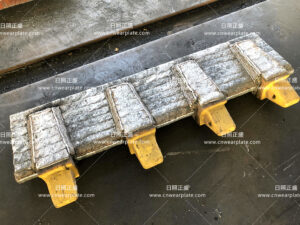
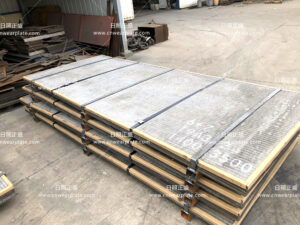
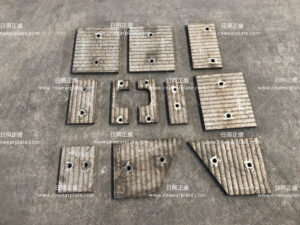
Many mining companies use CCO wear plate, chromium carbide overlay plate, and wear resistant steel plate solutions to protect high-wear areas from abrasion and impact damage.Understanding how to use wear resistant steel plate in mining applications can further improve equipment durability and reduce maintenance frequency.
These materials help reduce maintenance frequency, improve equipment reliability, and minimize operational interruptions.The service life of CCO wear plates is also an important factor in long-term mining maintenance planning.
Improving Safety in Mining Operations
Equipment failures can create serious safety risks in mining environments.
Potential hazards include:
- Conveyor failures
- Structural cracking
- Hydraulic leaks
- Bearing overheating
- Sudden component failure
Regular industrial equipment maintenance helps identify hazards early and improve workplace safety.
Many mining companies also rely on professional maintenance services for mining equipment to improve reliability, reduce repair costs, and maintain continuous production.
How Mining Truck Maintenance Improves Efficiency
Mining truck maintenance plays a critical role in maintaining stable material transportation.
Haul trucks operate continuously under heavy loads and rough conditions. Over time, truck bodies, dump beds, liners, and structural components experience severe wear.
Without proper maintenance:
- Tire failures increase
- Hydraulic systems may leak
- Structural cracking can occur
- Fuel efficiency decreases
Regular mining truck maintenance helps improve reliability, prevent unexpected shutdowns, and maintain stable production schedules.
Many mining companies also install wear liners inside truck beds to reduce abrasion caused by ore transportation.
Maintenance Strategies for Mining Equipment
Regular inspections, lubrication management, and wear monitoring help mining companies reduce unexpected equipment failure and improve operational stability.
Modern preventive maintenance strategies often include:
- Scheduled inspections
- Equipment condition monitoring
- Predictive maintenance analysis
- Lubrication planning
- Wear component replacement schedules
These systems help improve production continuity and reduce long-term operating costs.
Using Wear Protection Solutions in Mining
Modern mining companies increasingly rely on wear protection technologies to reduce abrasion damage.
Common high-wear applications include:
- Crushers
- Chutes
- Hoppers
- Conveyor transfer points
- Excavator buckets
- Fan blades
Popular wear protection solutions include:
- CCO wear plate
- Wear resistant steel plate
- Hardfacing welding
- Bi-metal wear liners
- High chrome liners
Among these materials, CCO wear plate is widely used because of its excellent abrasion resistance and long service life.Many mining companies also compare Hardox and CCO wear plate performance when selecting wear protection materials.
These solutions help mining companies reduce equipment wear, lower maintenance costs, and improve production efficiency.
Conclusion
Regular maintenance is essential for improving mining equipment reliability, reducing operational downtime, and extending equipment service life.
By combining preventive maintenance strategies with effective wear protection solutions, mining companies can achieve safer, more efficient, and more reliable operations.
Frequently Asked Questions
What is mining equipment maintenance?
Mining equipment maintenance refers to the regular inspection, lubrication, repair, and replacement of worn components in mining machinery.
Why is mining machinery maintenance important?
Mining machinery maintenance helps reduce downtime, improve workplace safety, and extend equipment lifespan.
How does mining truck maintenance improve efficiency?
Mining truck maintenance helps reduce unexpected breakdowns, improve transportation efficiency, and lower operating costs.

Optimal Maintenance Strategies for Mining Equipment
September 22, 2026[…] Scheduled inspections and servicing based on time or usage help prevent unexpected breakdowns. Examples include routine lubrication, replacing worn-out parts, and checking hydraulic systems. Preventive maintenance is proactive and reduces the likelihood of catastrophic failures. 👉Why Mining Equipment Maintenance Matters for Reducing Downtime […]