
Optimal Maintenance Strategies for Mining Equipment
Effective mining equipment maintenance matters because mining equipment operates in some of the harshest environments, handling abrasive materials and enduring heavy loads. Without an effective maintenance strategy, downtime, repair costs, and safety risks can skyrocket. Implementing the right approach not only extends equipment life but also ensures consistent productivity.
1. Understanding Maintenance Approaches
a. Preventive Maintenance
Scheduled inspections and servicing based on time or usage help prevent unexpected breakdowns. Examples include routine lubrication, replacing worn-out parts, and checking hydraulic systems. Preventive maintenance is proactive and reduces the likelihood of catastrophic failures.
👉Why Mining Equipment Maintenance Matters for Reducing Downtime
b. Predictive Maintenance
Using sensors and real-time data, predictive maintenance identifies potential failures before they occur. Vibration analysis, oil condition monitoring, and thermal imaging allow operators to act on early warning signs, saving both time and money.
👉How to Reduce Mining Equipment Wear and Downtime
c. Condition-Based Maintenance
This strategy relies on monitoring equipment conditions rather than fixed schedules. When specific thresholds are reached (e.g., wear on a conveyor belt or CCO wear plate), maintenance is performed. This approach balances cost efficiency and operational reliability.
👉 How to Evaluate Chromium Carbide Overlay Plate
2. Key Components of Effective Mining Equipment Maintenance
a. Wear-Resistant Materials
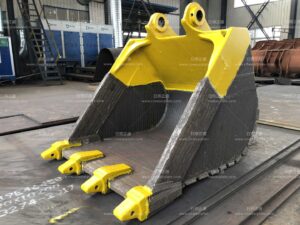
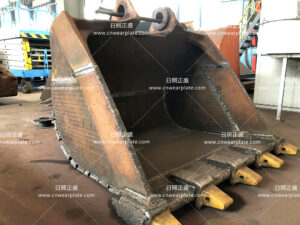
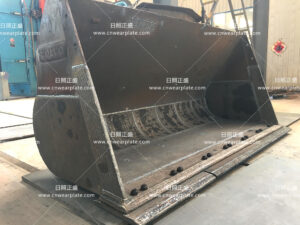
Using high-quality wear plates such as CCO (Chromium Carbide Overlay) wear plates on hoppers, chutes, and buckets reduces the frequency of replacements and protects expensive equipment components from abrasion.
Internal links:
- CCO Wear Plates: What Affects Their Service Life?
- Hardox vs CCO Wear Plate: Which Wear Plate Performs Better?
b. Regular Inspections and Audits
Systematic inspections identify early signs of wear, corrosion, or fatigue. Documenting findings helps optimize maintenance schedules and track equipment performance over time.
👉How to Choose the Right Wear Plate | CCO vs AR Guide
c. Operator Training
Proper training ensures that operators handle machinery correctly, avoiding unnecessary wear and tear. It also helps in recognizing abnormal conditions before they escalate into failures.
👉Why Our Wear Plate Offers Superior Wear Resistance
3. Benefits of an Optimized Maintenance Strategy
- Reduced Downtime: Early detection and planned interventions prevent unexpected shutdowns.
- Lower Repair Costs: Targeted maintenance prevents severe damage, reducing costly replacements.
- Extended Equipment Life: Combining preventive, predictive, and condition-based maintenance maximizes service life.
- Improved Safety: Well-maintained equipment minimizes accidents and operational hazards.
Conclusion
The optimal maintenance strategy for mining equipment combines preventive, predictive, and condition-based approaches. Integrating high-quality wear-resistant materials like CCO wear plates and investing in operator training further enhances reliability and efficiency. By proactively managing maintenance, mining operations can significantly reduce downtime, lower costs, and improve overall productivity.