
Wear Plates vs Regular Steel: Which One Lasts Longer?
Why Material Choice Matters in High-Wear Industries
Wear plates play a critical role in industries where abrasion and impact are constant challenges. Compared to standard steel plates, they are specifically designed to provide longer service life and better performance in harsh working conditions.
Regular Steel Plates: Versatile but Limited
Standard steel plates such as A36 or Q235 are widely used due to their:
- Low cost
- Easy processing and welding
- Good structural strength
They perform well in general applications like buildings, machinery frames, and transportation equipment. However, when exposed to continuous friction or abrasive materials, their surface wears down quickly.
What Makes Wear Plates Different?
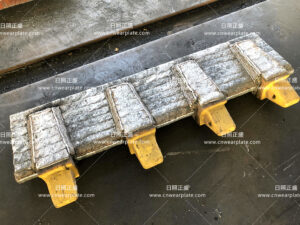
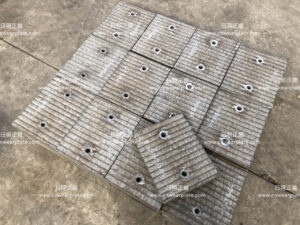
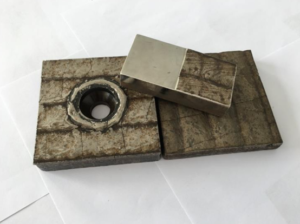
Unlike regular steel, wear plates are engineered for resistance. A typical Chromium Carbide Overlay (CCO) plate features:
- A strong, flexible base steel
- A high-hardness overlay layer containing chromium carbide
This combination creates a protective surface that significantly slows down wear while maintaining structural integrity.
For a deeper look at specifications and options, see:
👉 https://cnwearplate.com/
Key Differences in Performance
Hardness Advantage
Regular steel plates usually stay below HRC 30. Wear plates, however, often reach HRC 58–65 on the surface, providing a much tougher barrier against abrasion.
Service Life
One of the biggest advantages of wear plates is longevity:
- Up to 15 times longer life than mild steel
- Several times longer than quenched or heat-treated steel
This directly reduces replacement frequency.
Resistance to Harsh Conditions
Wear plates are built to handle:
- Continuous sliding wear
- Impact from bulk materials
- Elevated temperatures
The dual-layer structure absorbs shock while resisting surface damage.
Production Technology Comparison
Regular steel plates are manufactured through rolling processes, which focus on shaping rather than enhancing wear resistance.
In contrast, wear plates rely on advanced manufacturing methods, including:
- Automated overlay welding
- Multi-layer deposition techniques
- Precision cutting (laser or plasma)
These processes ensure uniform hardness and strong bonding between layers.
Typical Applications
Regular Steel Plates
- Structural components
- Equipment frames
- Low-wear environments
Wear Plates
- Mining equipment (chutes, hoppers, crushers)
- Cement industry liners and mixers
- Conveyor systems and transfer points
- Heavy machinery components
Cost Consideration: Short-Term vs Long-Term
At first glance, wear plates are more expensive than standard steel. However, focusing only on initial cost can be misleading.
Over time, wear plates help reduce:
- Maintenance downtime
- Labor costs
- Replacement frequency
This makes them a more cost-effective solution in demanding environments.
Conclusion
Choosing between standard steel and wear plates depends on the working conditions. For general use, regular steel is sufficient. But in abrasive and high-impact environments, wear plates clearly provide superior performance and longer service life.
Investing in the right material is not just about durability—it’s about efficiency, reliability, and overall operational savings.
👉 Contact us now: export@cnwearplate.com
👉 Share your requirements and receive a fast quotation.
Related Guide
This content belongs to the Wear Plate Guide Hub, where you can explore all topics related to wear-resistant steel solutions.
🔗 Back to Hub: Wear Plate Guide

How to Choose the Right Wear Plate | CCO vs AR Guide
May 7, 2026[…] CCO wear plate is the best choice for high abrasion environments, while AR steel performs better under impact conditions.For a more detailed comparison, read our guide on Wear Plates vs Regular Steel: Which One Lasts Long… […]