
Chromium Carbide Overlay Wear Plate to Extend Equipment Life
Learn why chromium carbide overlay wear plates outperform standard steel in abrasive industrial environments, boosting durability and efficiency.
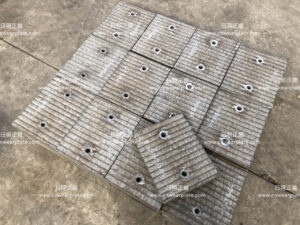
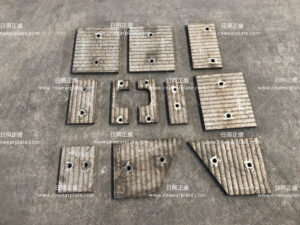
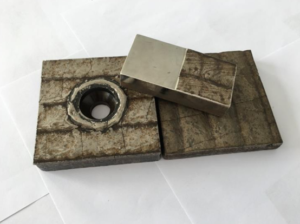
What It Is?
It is a bimetallic plate made of a steel base and a hard wear-resistant surface layer. The surface layer is welded onto the base and forms a strong metallurgical bond, so it will not peel or separate in service. The hard surface contains chromium carbides (Cr₇C₃), which provide resistance to severe abrasion. The wear layer can be built using single or multiple welding passes depending on the application.https://www.mining-technology.com/
Why It Performs Better in Real Industrial Conditions?
Chromium carbide overlay plates are engineered to perform reliably across a wide range of demanding operating environments.
- For Continuous Abrasion from Bulk Materials
In environments such as coal, ore, cement, and mineral handling, materials continuously slide and impact equipment surfaces. The carbide-rich surface significantly reduces material loss in chutes, hoppers, liners, and transfer points. Under similar working conditions, service life is typically several times longer than conventional AR400 steel.
- For High-Temperature Material Flow
In applications such as clinker handling, sinter plants, and hot ash systems, both heat and abrasion are present simultaneously. The wear-resistant layer maintains effective performance under elevated temperatures, making it suitable for high-temperature conveying and discharge systems where conventional steel would soften and wear faster.
- For Impact and Sliding Wear Conditions
Many industrial components experience combined impact and sliding wear, such as buckets, liners, and fabricated structural parts. Because the overlay is metallurgically bonded to the steel base, it remains stable under impact loading and will not separate during operation. It also allows forming into complex shapes such as elbows, chutes, and curved liners.
Chromium carbide overlay wear plates are widely used in equipment exposed to continuous abrasion and material flow.
- Mining Industry
Chutes, hoppers, dump truck liners, excavator buckets, and dozer blades.
- Cement Production
Clinker chutes, mill outlets, separators, and feeding systems.
- Power Generation
Coal handling systems, crushers, screening components, and storage bunkers.
- Steel Industry
Fan systems, vibrating screens, material bins, and discharge chutes.
- Dredging Operations
Slurry pipelines, pump components, suction lines, and discharge systems.
How to Select the Right Specification
Selection should be based on actual working conditions rather than a single standard. Key factors include:
- Overlay thickness and structure (such as 4+4mm, 6+4mm, 6+6mm, 8+6mm, or single-layer/multi-layer buildup structures)
- Carbide content and wear severity level (typically around 25%–35% carbide volume fraction, selected according to different abrasion conditions)
- Welding process selection (such as submerged arc welding SAW or open arc welding OA, depending on product size and application requirements)
- Cutting and fabrication requirements (supports plasma cutting for thickness ranges of 30–100mm, or laser cutting for high-precision components)
Each plate is also tested for hardness consistency, metallographic structure stability, and impact resistance to ensure reliable performance in real industrial applications.
A Reliable Solution for Severe Wear Environments
Chromium carbide overlay wear plate combines high hardness, structural strength, and fabrication flexibility to extend equipment life in abrasive conditions. For industries dealing with continuous material wear, it offers a practical solution to reduce maintenance frequency and improve operational stability over time.